
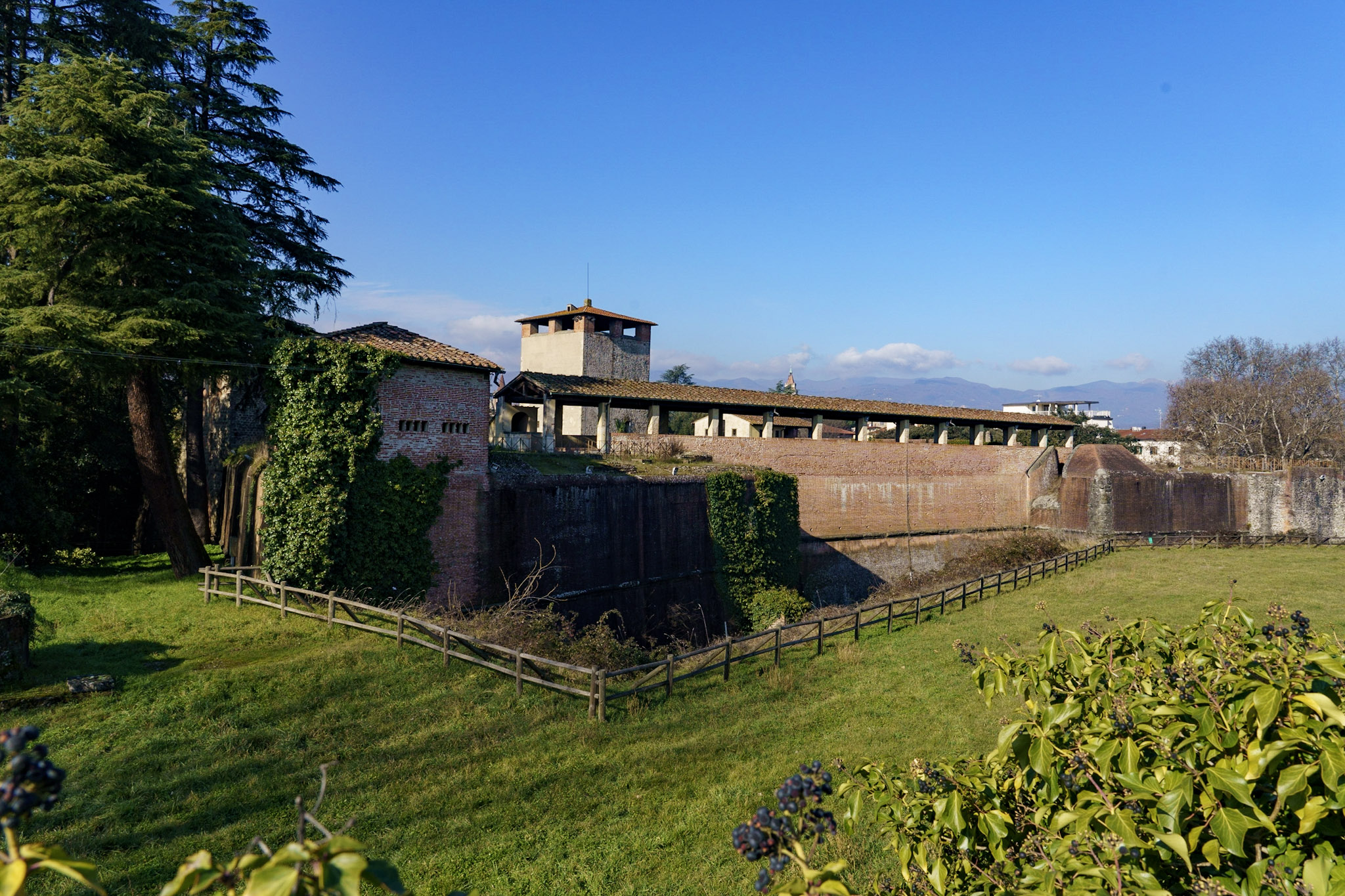
The Medicean Fortress of Santa Barbara is an important example of 16th century military architecture and was made under the designs of Nanni Unghero, Giovanni Battista Bellucci, called Il Sanmarino, and Bernardo Buontalenti.
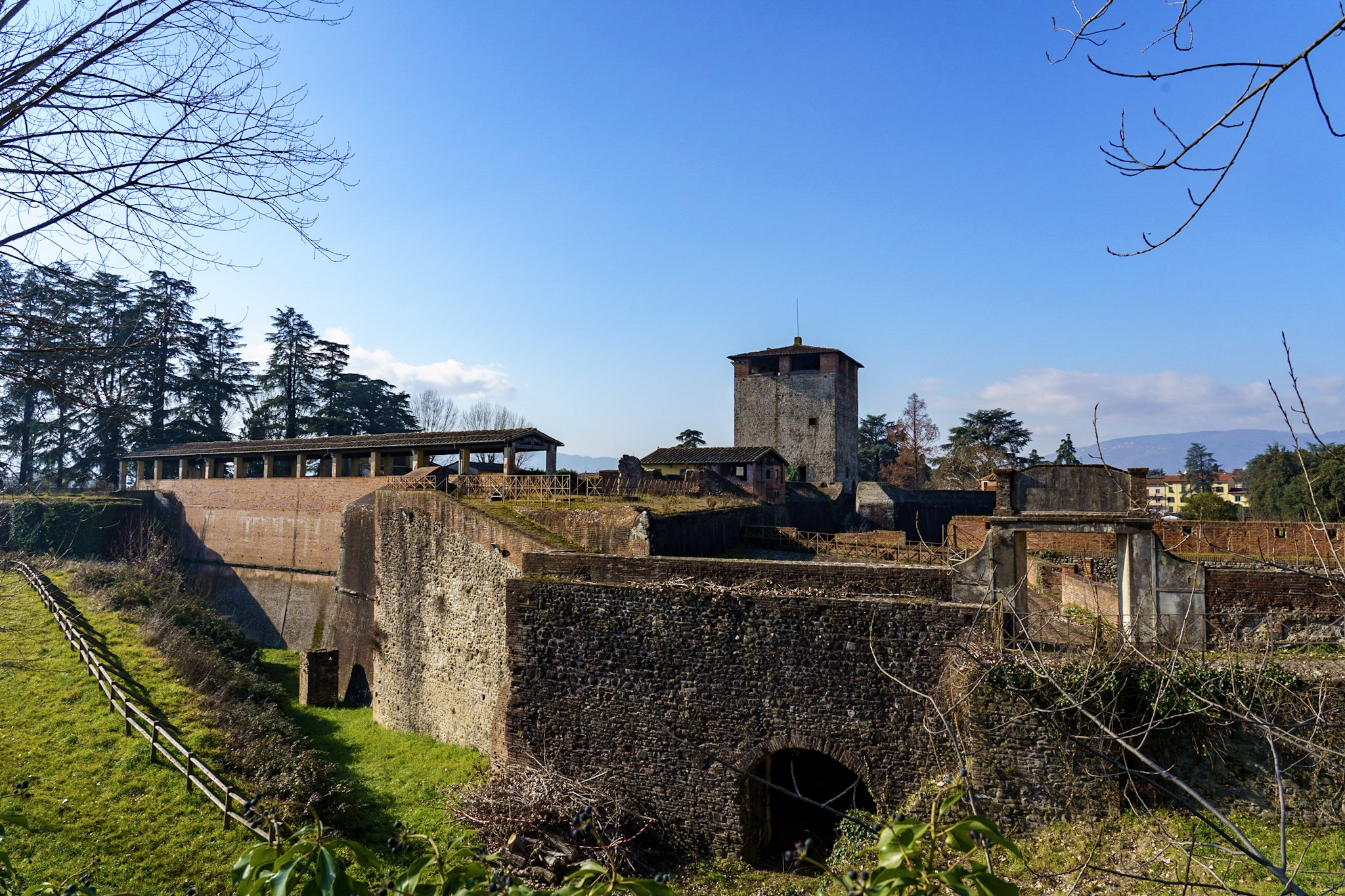
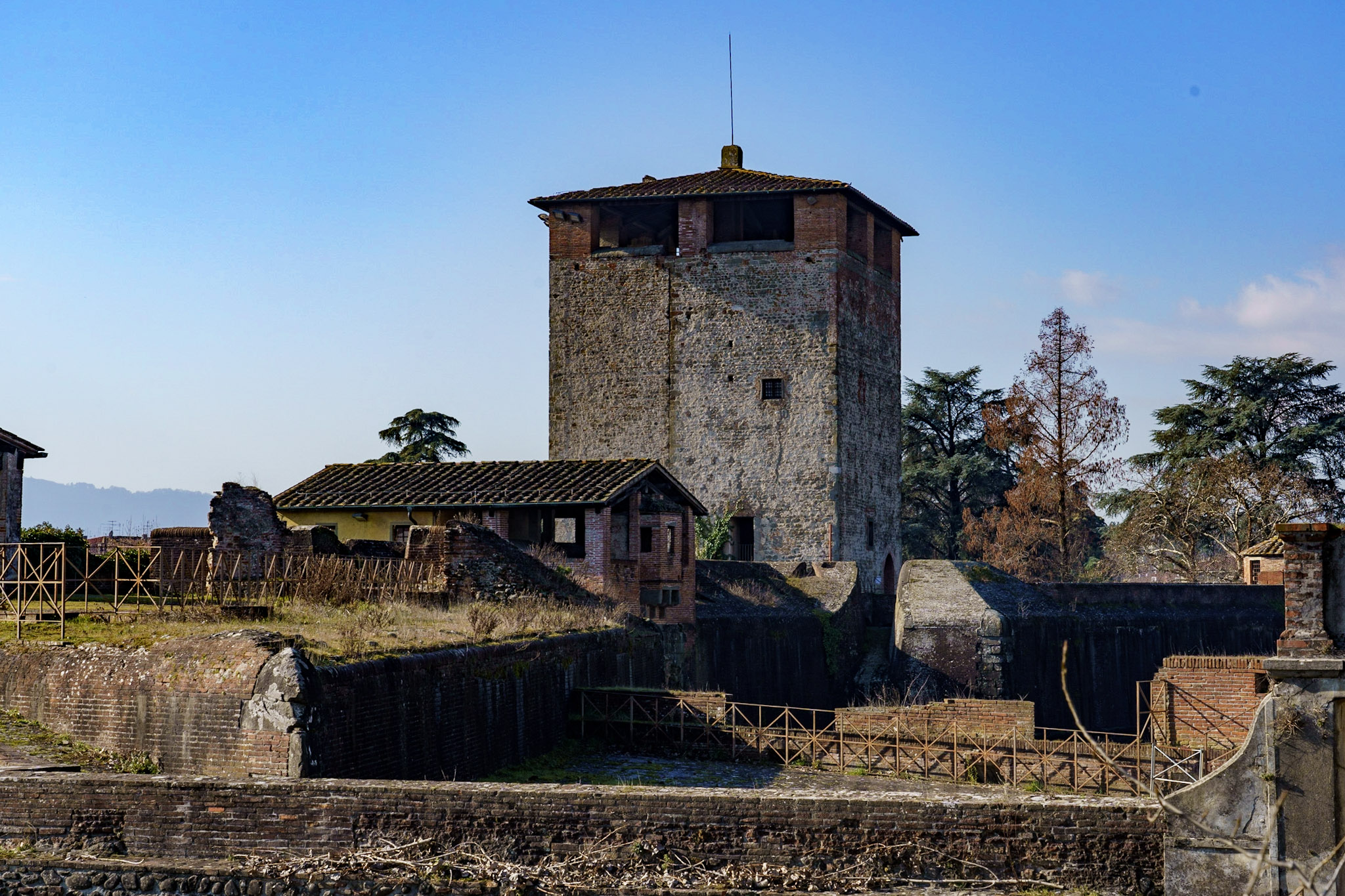
Its construction was a part of Cosimo the First’s territorial policy but its origins date back to the first decades of the 14th century, during the Florentine Republic’s supremacy, which also accounts for other, still legible, features such as the great central tower which acted as a dungeon and prison and was later absorbed by a Renaissance structure.
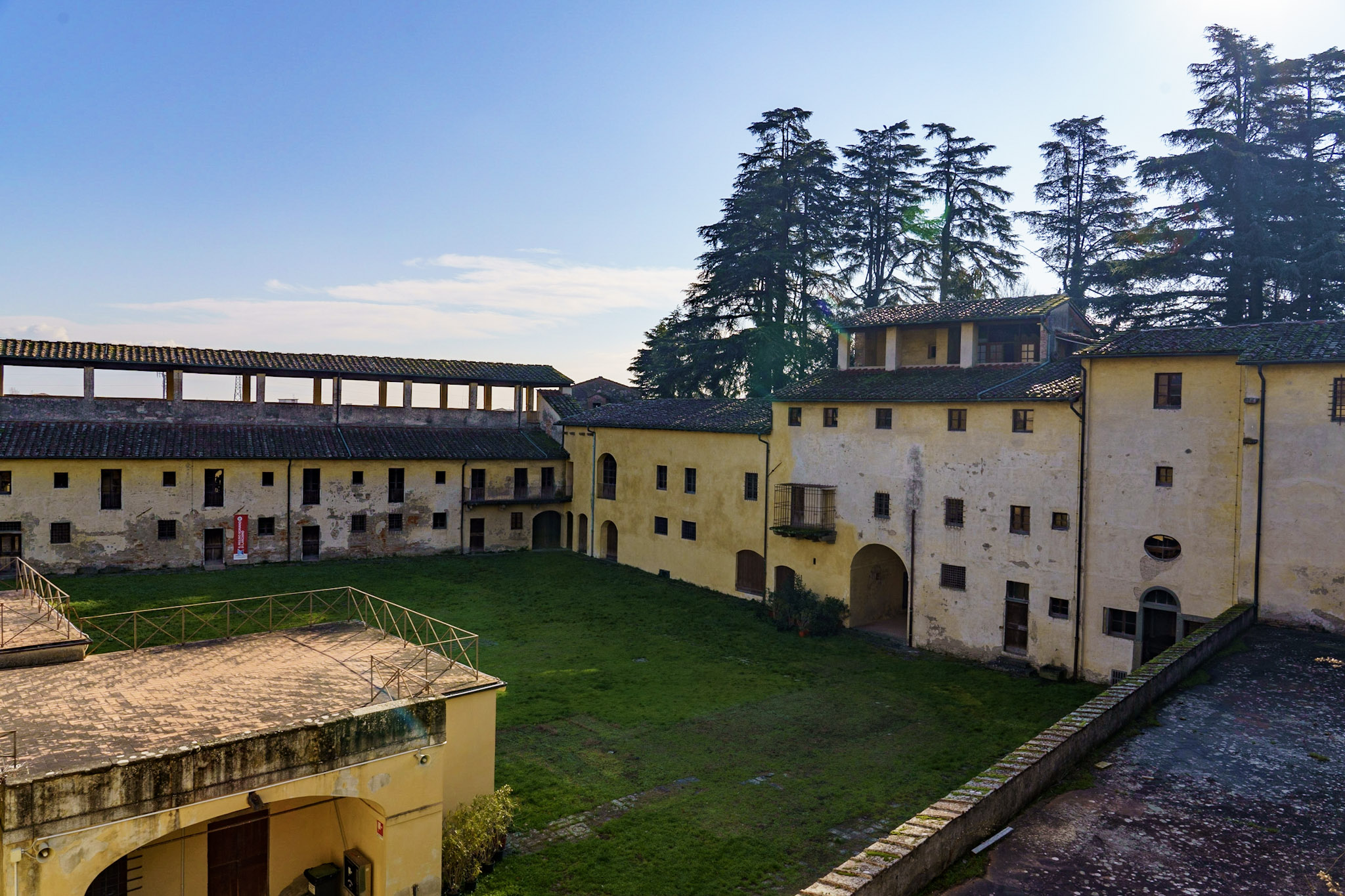
The ‘new’ fortification began to be built in 1543 – on Cosimo I‘s request – by Giovanni d’Alessio d’Antonio, also called Nanni Unghero, and then was later carried on by another great 16th century military engineer, Giovanni Battista Bellucci, otherwise called ‘Il Sanmarino’, who can be thanked for the four-sided interior with its fortified ramparts structured by struts with embrasures.
Some years later, Cosimo I entrusted Bernardo Buontalenti with the fort’s enlargement. He made a large rampart which clamped down over the previous fortress, incorporating Nanni Unghero’s four-sided construction and soldering itself to the city’s walls. By thus doing, he placed the previous fortress on a sort of pedestal, thereby making it into a true stronghold.
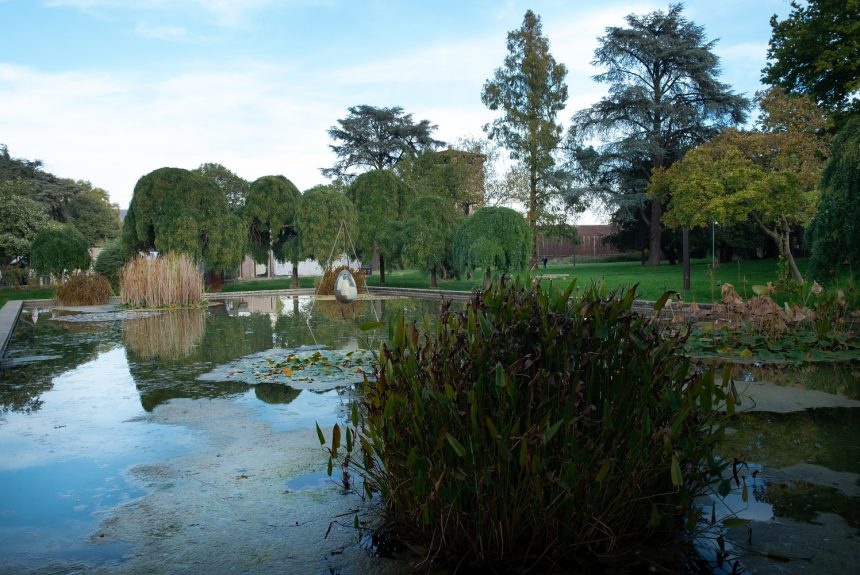
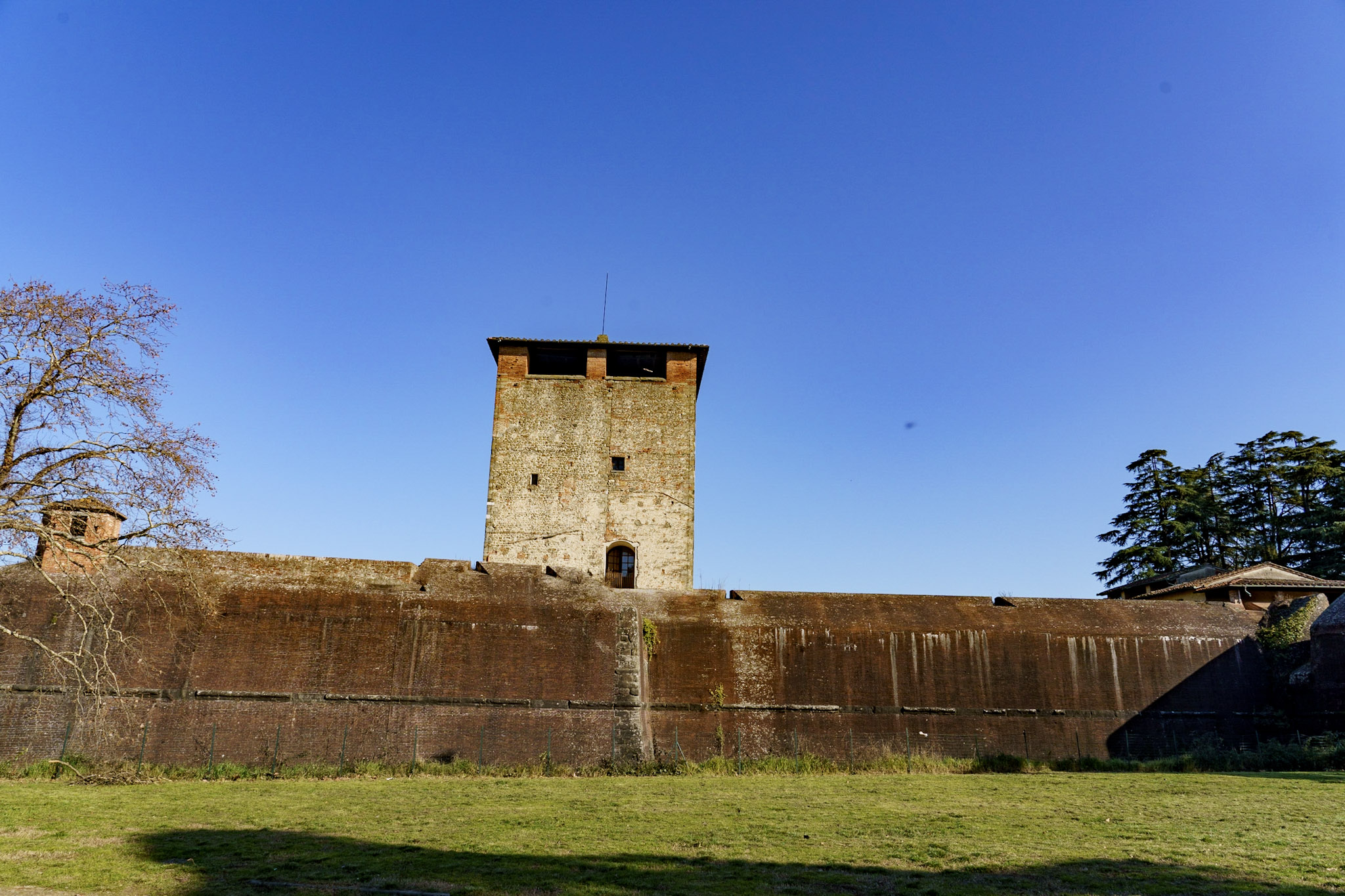
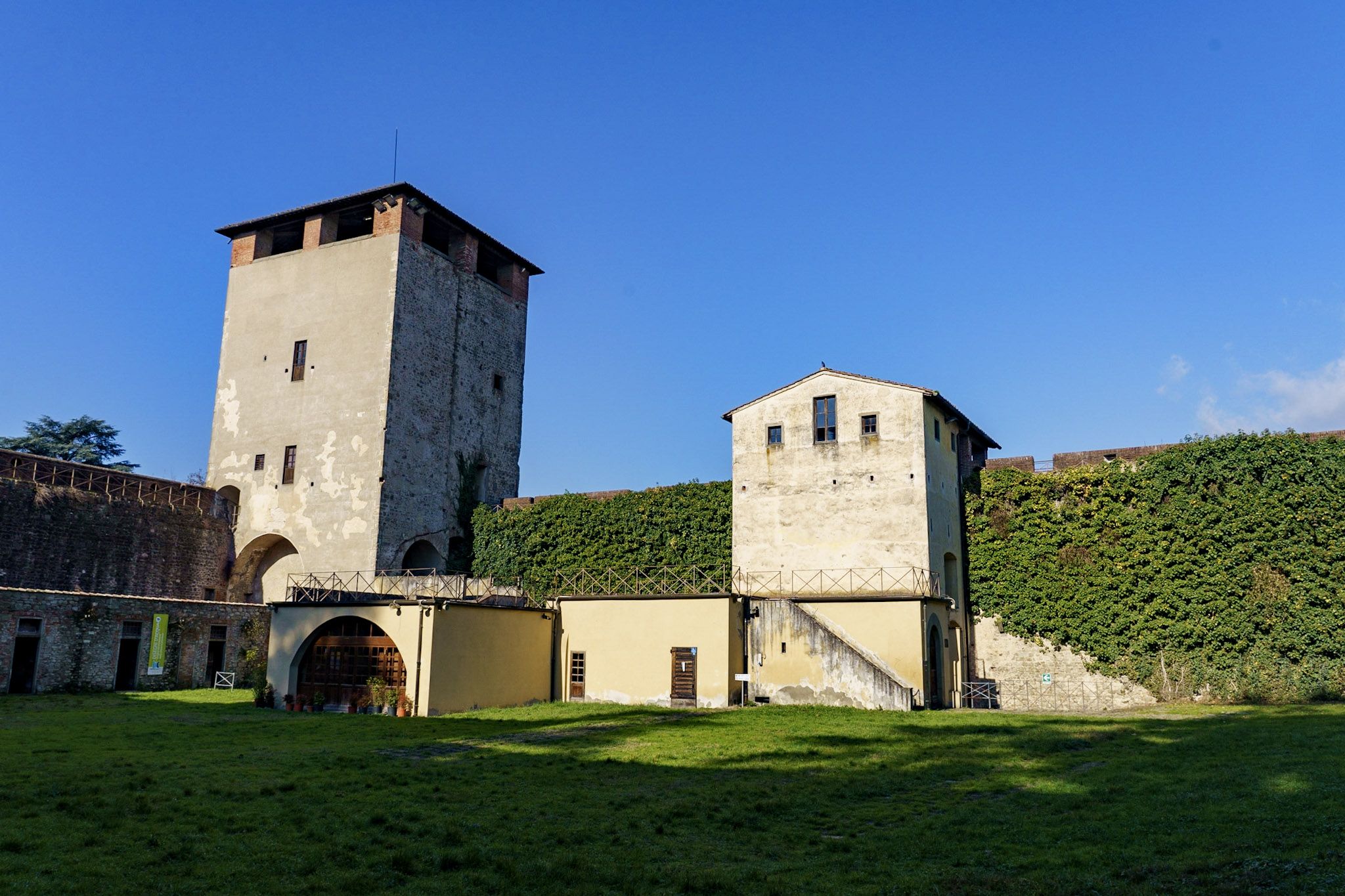
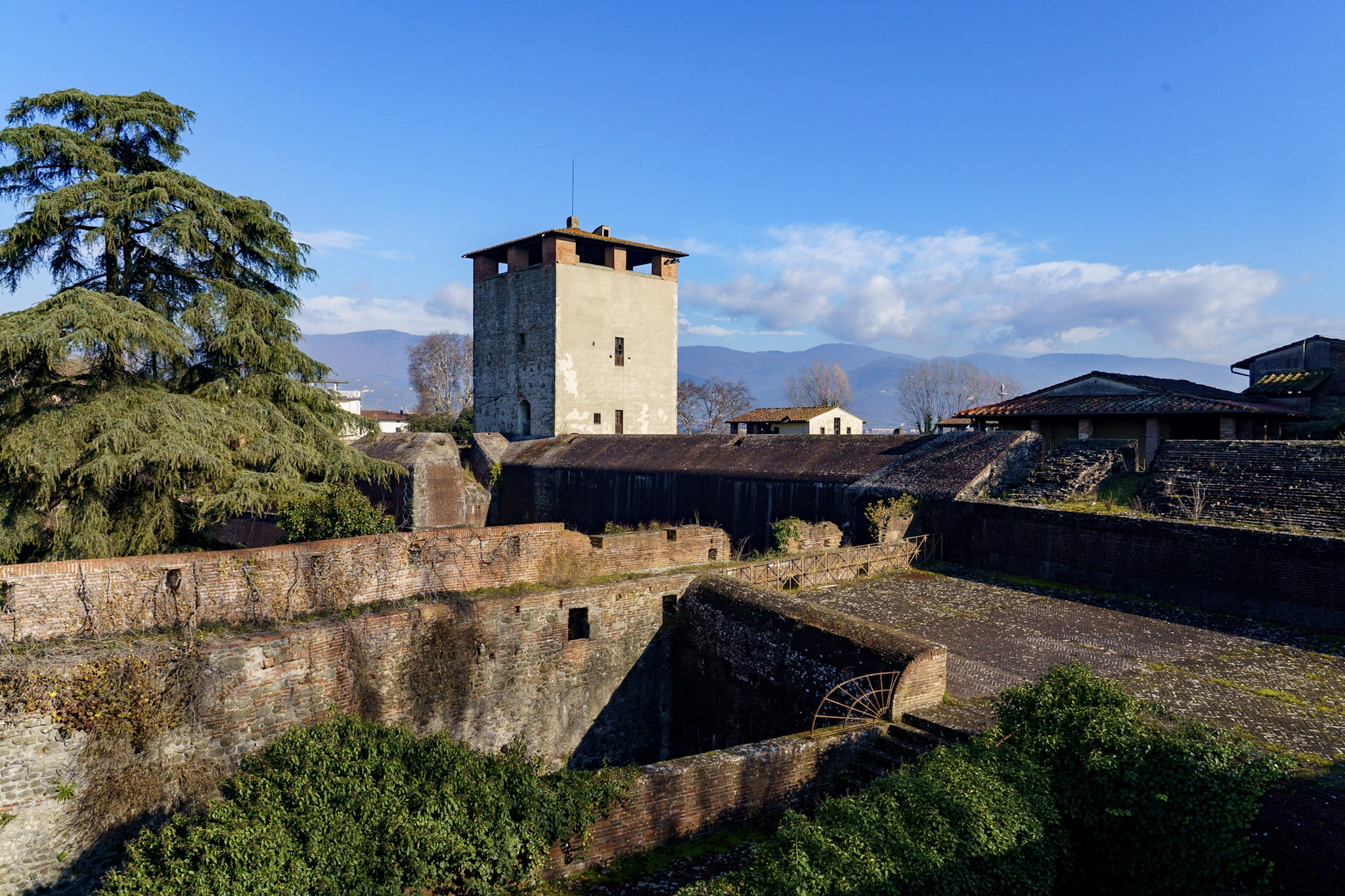
The Monumental Santa Barbara Fortress Complex belongs to the Ministero della Cultura – Direzione regionale Musei nazionali della Toscana. Inside, you can visit – for free – the exhibition Fortezza d’acqua. L’energia idraulica nella storia dell’uomo (Fortress’ Water exhibition. Water energy in the history of man). Pistoia’s history, its people and its land have always been closely connected to the history of its waters. This exhibition revolves around the role that water has played in transforming the area and in defining its choice of settlements and produce, leaving visible traces across the landscape. The Pistoia plains is a perfect example of how its natural and historical pathway has joined together Tuscany and the Arno mid-valley area.