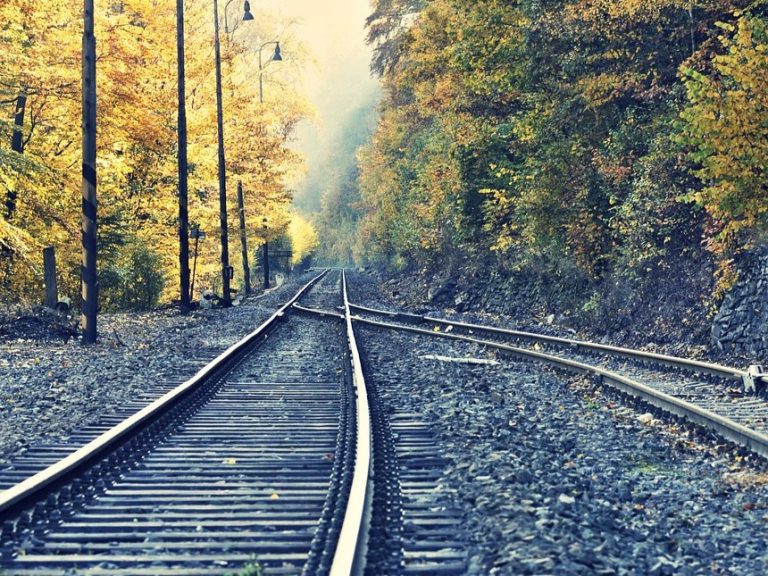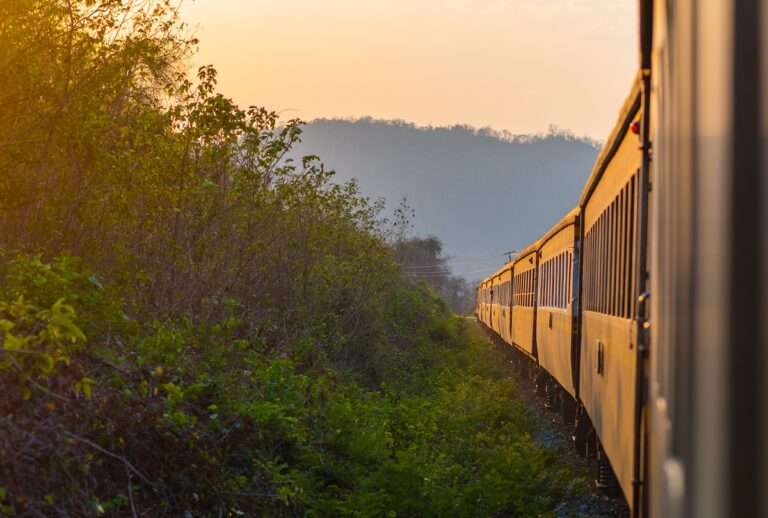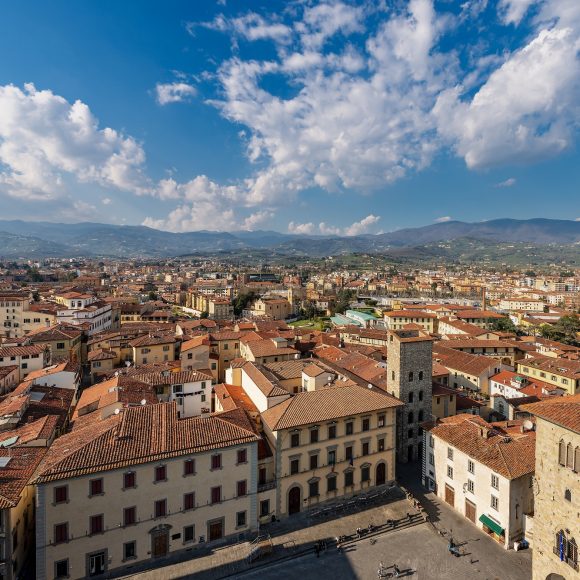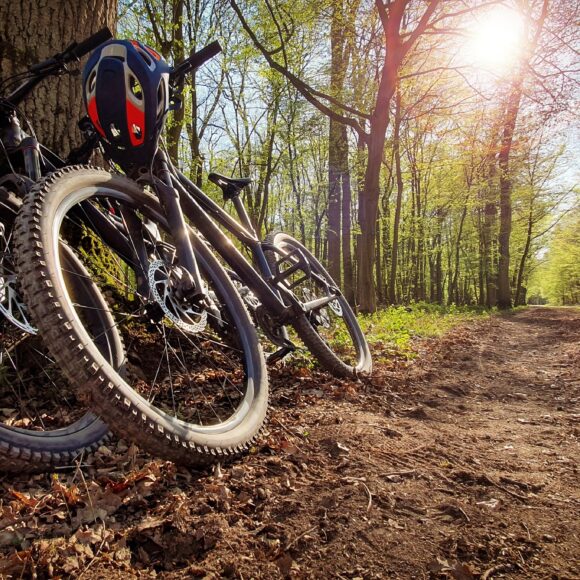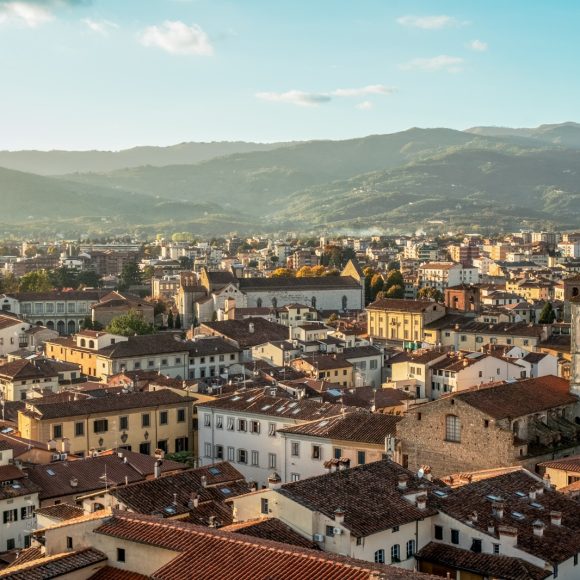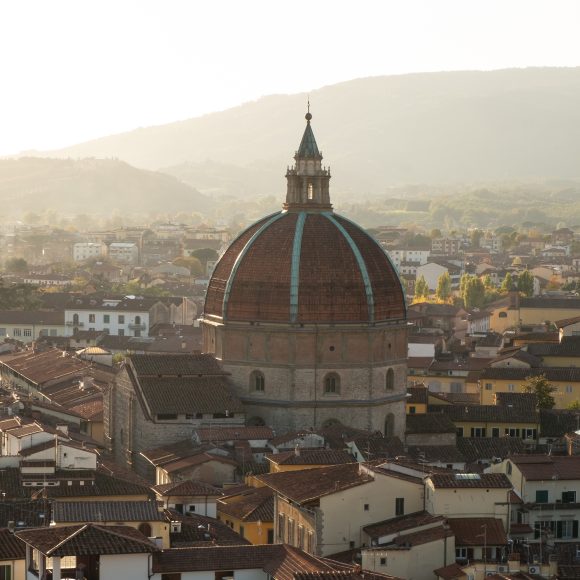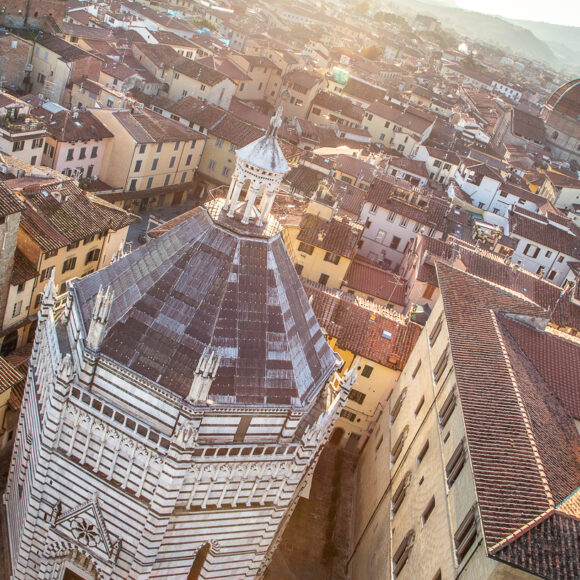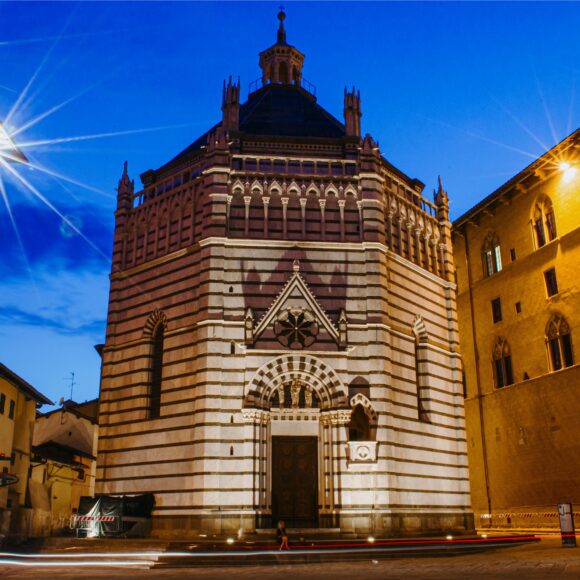
An itinerary that begins by train, gaining all the elevation that will later be lost during the ride. It covers 20 pleasant kilometres, taking us from the Reno Valley to the Ombrone Valley, the two main rivers of the province, which flow in opposite directions—one towards the Adriatic and the other towards the Tyrrhenian Sea. The route moves from the wooded Apennines to hills covered with olive groves and dotted with small villages, eventually reaching Pistoia, with a pass through the monumental park of Villa Puccini and ending in the historic centre.
Upon arriving at Pracchia station, we start cycling gently uphill along the Reno Valley on a paved road until we reach Pontepetri, a mountain village with a lovely 17th-century church and the old FAP station (Ferrovia Alto Pistoiese), now home to the Museo del Ferro e dell’Energia Rinnovabile, one of the sites of the Ecomuseo della Montagna Pistoiese, part of the Iron Route.
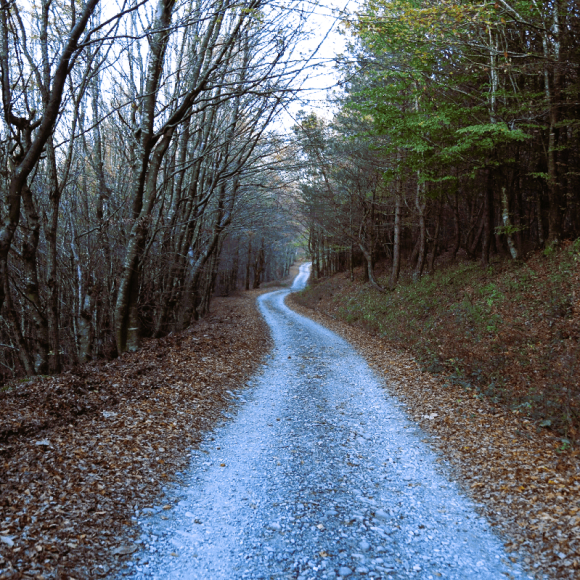
Leaving Pontepetri, we take a forest road that climbs up to the highest point of the route (755 meters above sea level), the watershed between the Reno and Ombrone valleys, offering panoramic views of Pistoia and Montalbano.
From here, we descend steadily to the village of Piteccio, a historic station on the Porrettana Railway and a site of significant events during World War II, including the destruction of the railway bridge, an architectural marvel.
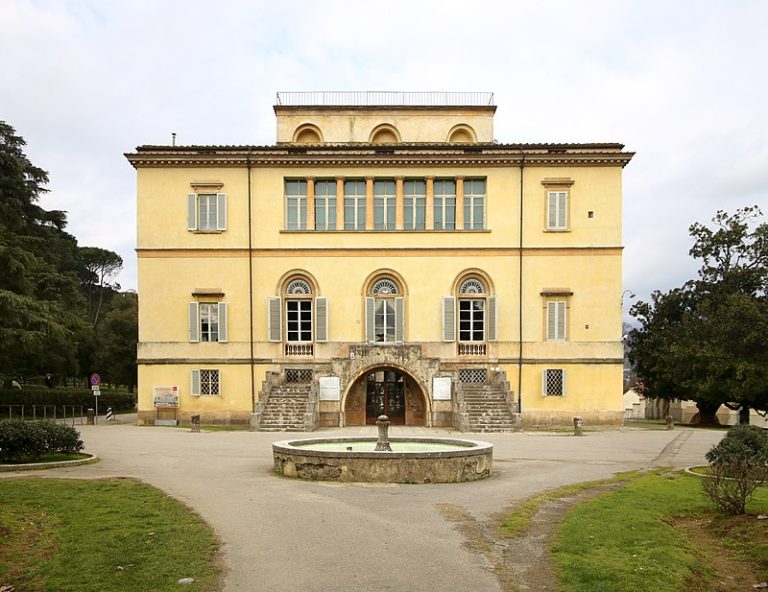
From Piteccio, we continue downhill on a paved road, gradually descending to the romantic park of Scornio, known to all Pistoia locals as Villone Puccini, on the outskirts of the city. The park, a popular spot for those seeking peace and relaxation in nature, still showcases the visionary architectural creations of Niccolò Puccini, an eclectic philanthropist of the 19th century. His works celebrate the greats of thought and science as well as the beauty of nature.
Itinerary curated by Tuscany Hiking