
Luoghi
Marliana
Sambuca Pistoiese
Agliana
San Marcello Piteglio
Serravalle Pistoiese
Montale
Quarrata
Pistoia
-
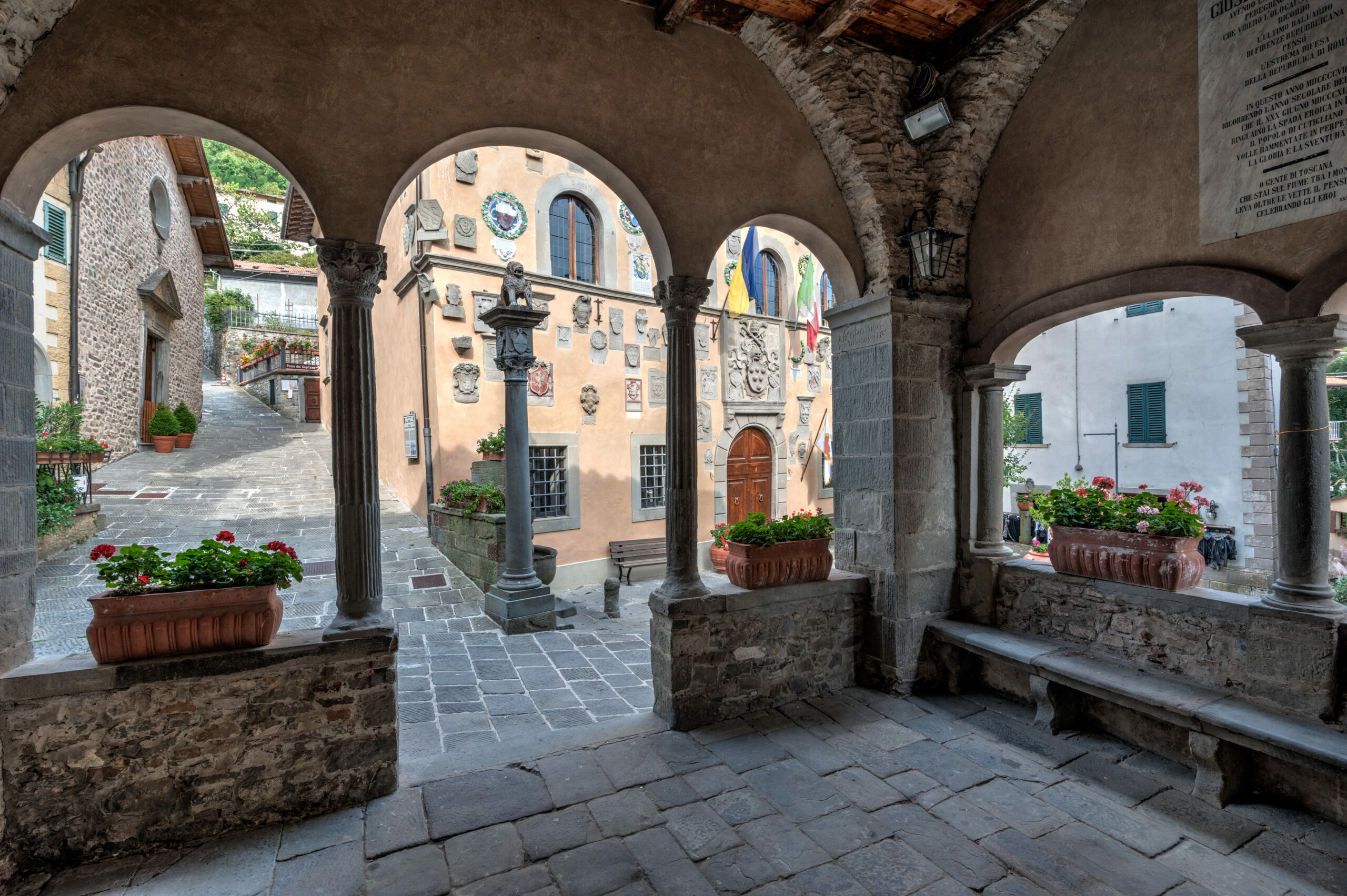
Abetone Cutigliano
Surrounded by a large fir forest, Abetone is located on the border between Tuscany and Emilia. Cutigliano still retains ample traces of its medieval past.
Surrounded by a large fir forest, Abetone is located on the Abetone pass at the border between Tuscany and Emilia. It is the most important winter-sports resort in central Italy and recognized worldwide for its beauty and variety of its slopes. The area is divided into four valleys: the Scoltenna, Sestaione, and the Lima Valleys plus the Val di Luce. The summer offers the opportunity to hike on the Tuscan-Emilian summits…
Discover -
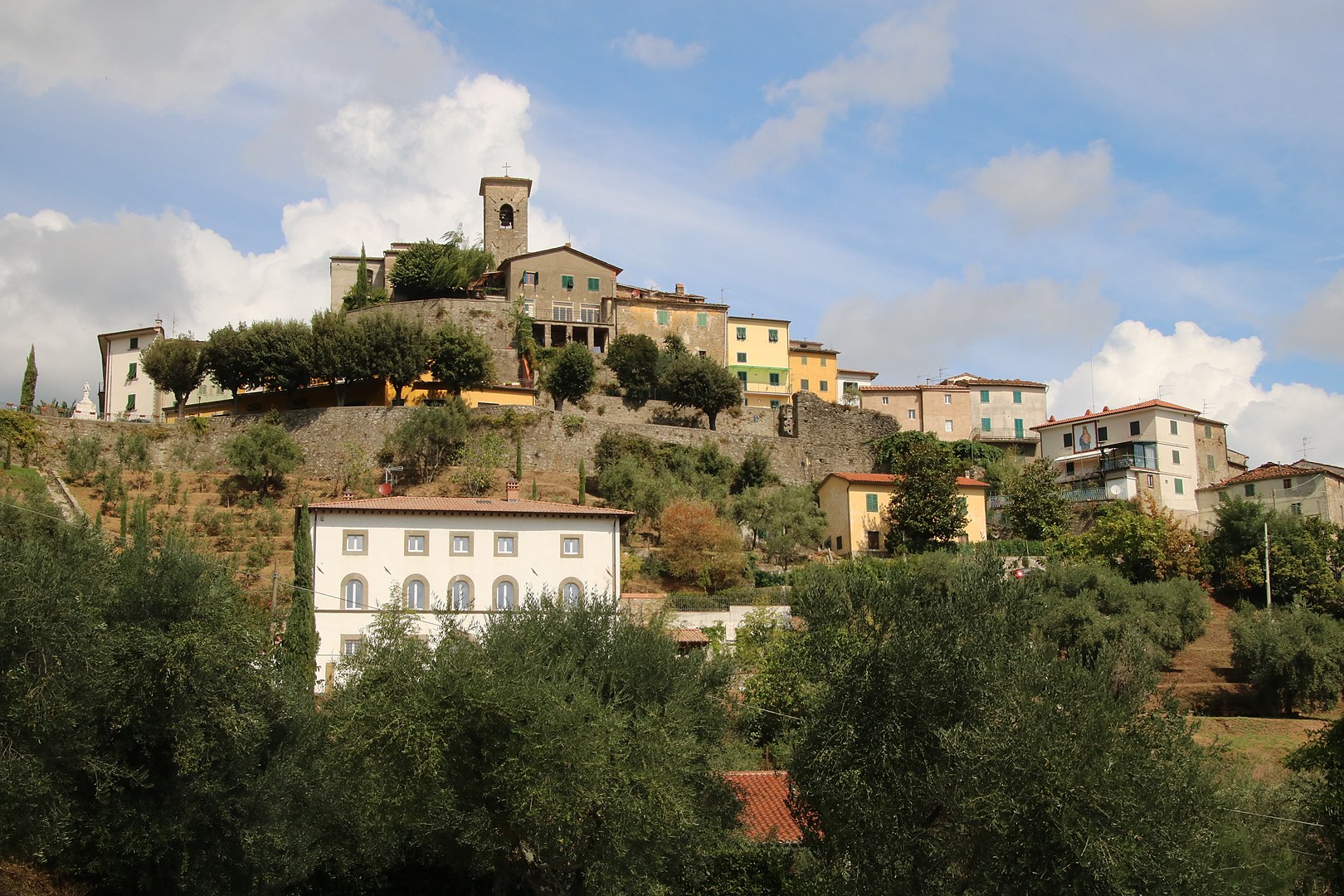
Marliana
Surrounded by chestnut forests, Marliana offers panoramic trekking routes, medieval architecture, and historic sites such as the Church of San Niccolò.
Surrounded by dense chestnut groves, it dominates the hill between the Vincio and Nievole river valleys, in an area with great natural beauty. Nearby are Panicagliora, Avaglio, Femminamorta, Momigno, Montagnana, Casore del Monte, and the splendid Serra Pistoiese, an important example of medieval town planning. Old mule tracks connect Serra to nearby villages, offering unique hiking trails. Not to be missed: the village is perched around the Church of San…
Discover -
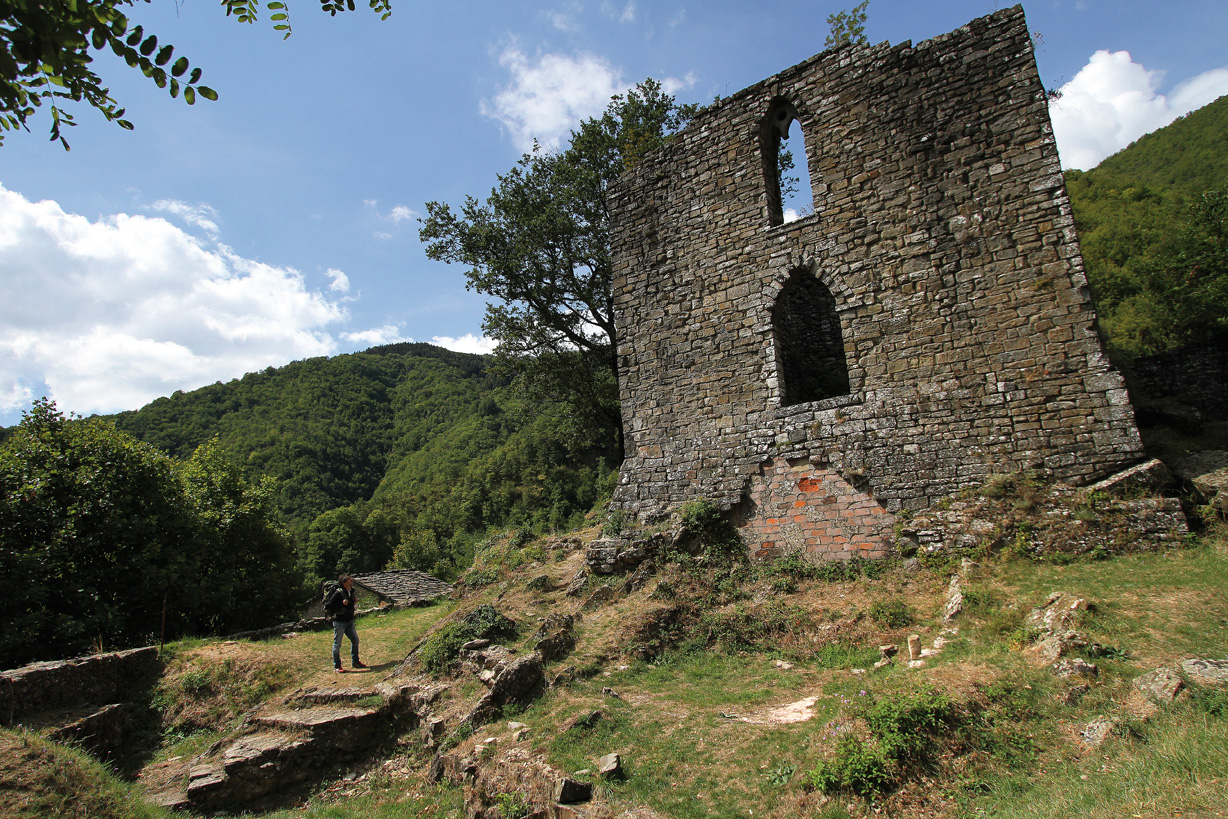
Sambuca Pistoiese
Sambuca Pistoiese, on the border between Tuscany and Emilia, is a contact point, with churches built along the Via Francesca della Sambuca.
Since the Middle Ages, Sambuca Pistoiese, on the border between Tuscany and Emilia, has been a contact point, with churches, monasteries and hospices built along the Via Francesca della Sambuca. With plentiful evidence of sandstone processing and utilization, the Sambuca Pistoiese area is part of the Ecomuseum of Montagna Pistoiese circuit, along with the educational centre in Francesco Guccini’s hometown of Pavana; the Stone Tour along the Via Francesca between…
Discover -
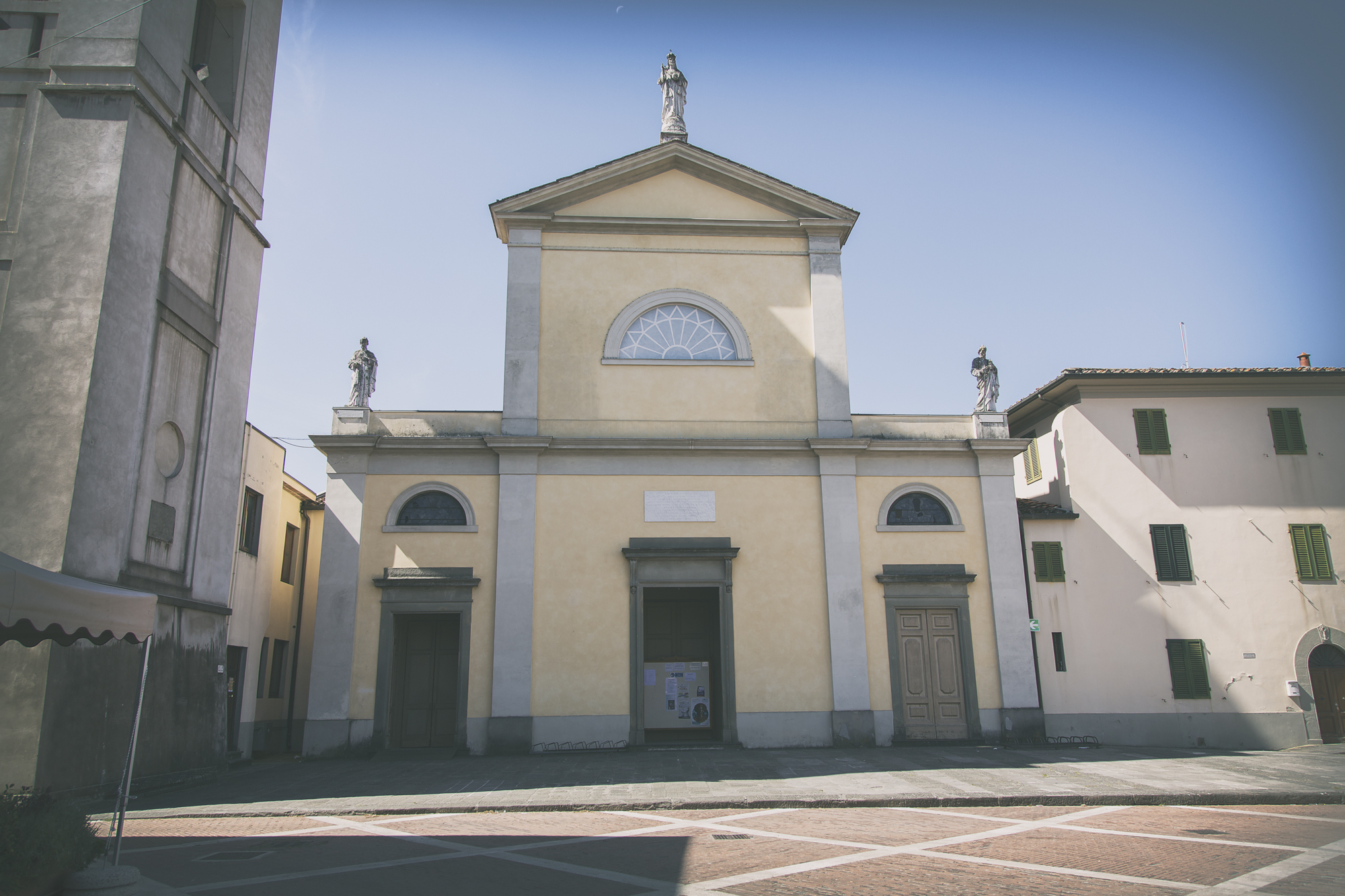
Agliana
First inhabited in Roman times, this town stands along the Via Cassia, which connected Florence, Pistoia, and Lucca.
First inhabited in Roman times, this town stands along the Via Cassia, which connected Florence, Pistoia, and Lucca. Today it is one of the Chocolate Valley’s main centres with the workshop-sales outlet of Roberto Catinari who, in 1974, launched his chocolatier business in Tuscany after working in Switzerland for twenty years. Not to be missed: The former hospice complex in Spedalino Asnelli, with the exterior of its Romanesque church covered…
Discover -
San Marcello Piteglio
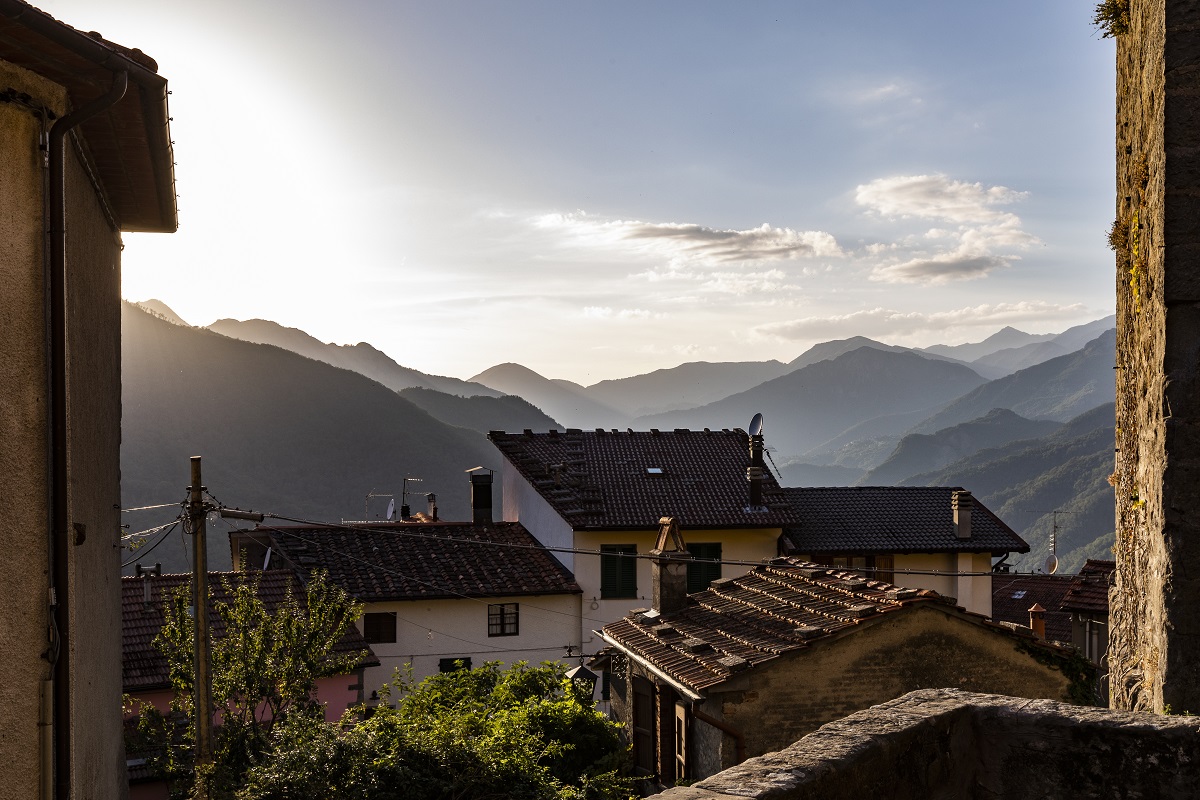
San Marcello Pistoiese stands on a woods-covered hill. Piteglio dominates the Val di Lima.
With abundant historical evidence from the 14th century on, San Marcello Pistoiese stands on a woods-covered hill. Other particularly interesting, nearby communities are the ancient villages of Maresca, located on the edge of the Teso State Forest, and Gavinana, home to the Francesco Ferrucci Museum and the Ecomuseum Information Point in the ancient Palazzo Achilli. Relics of Santa Celestina, patron saint of the town and the mountains, are preserved in…
Discover -
Serravalle Pistoiese
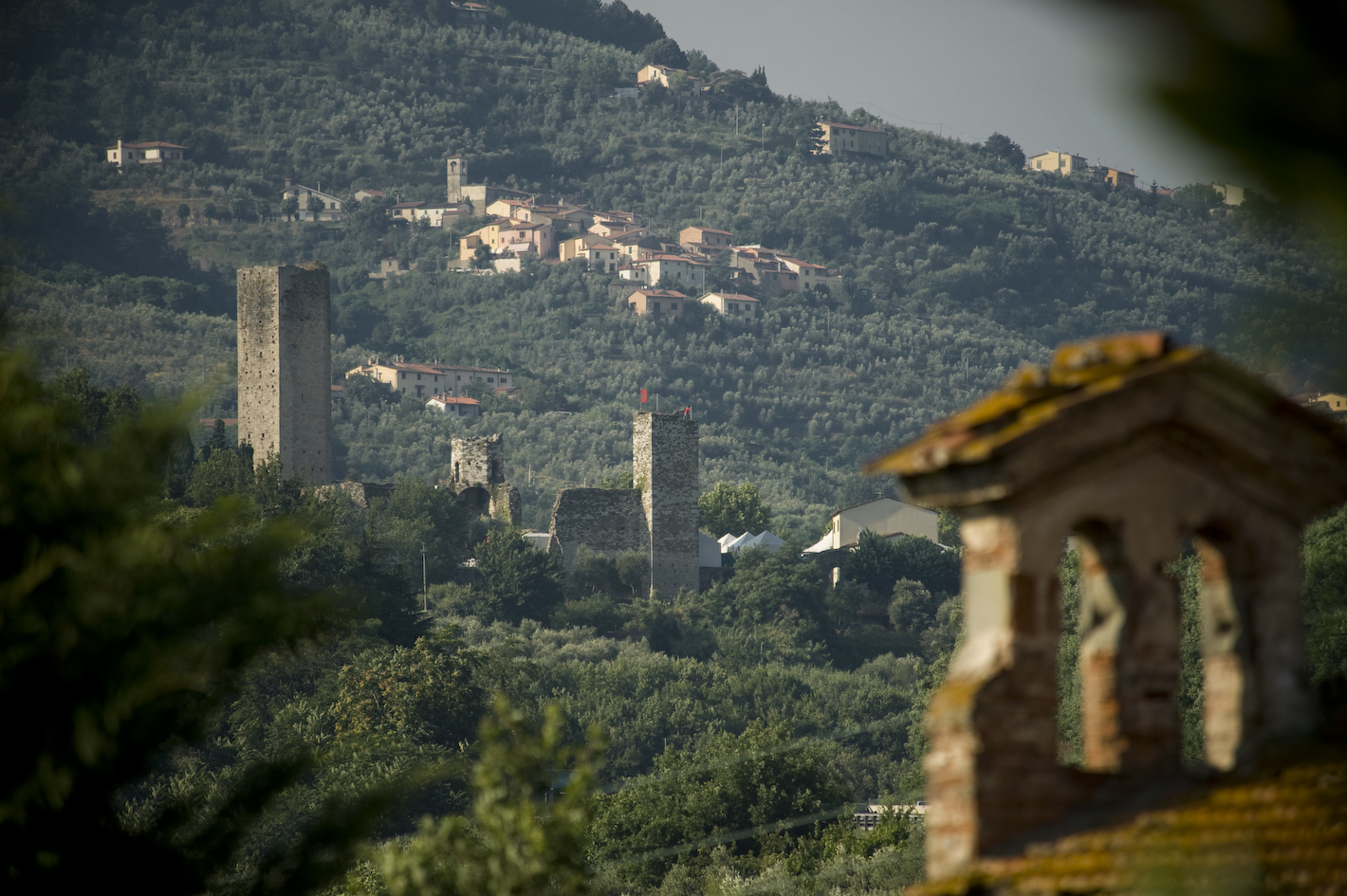
The village still retains its medieval fortress structure, with the two towers that stand out on the top of the hill.
Set halfway between Pistoia and Montecatini Terme, the village still retains its medieval fortress structure, with narrow, paved streets that climb among the houses, the small squares that suddenly overlook the valley floor, and the two towers that stand out on the top of the hill. The municipality of Serravalle extends on the eastern slope of Montalbano, with its olive groves and such ancient, medieval villages as Vinacciano and Castellina.…
Discover -
Montale
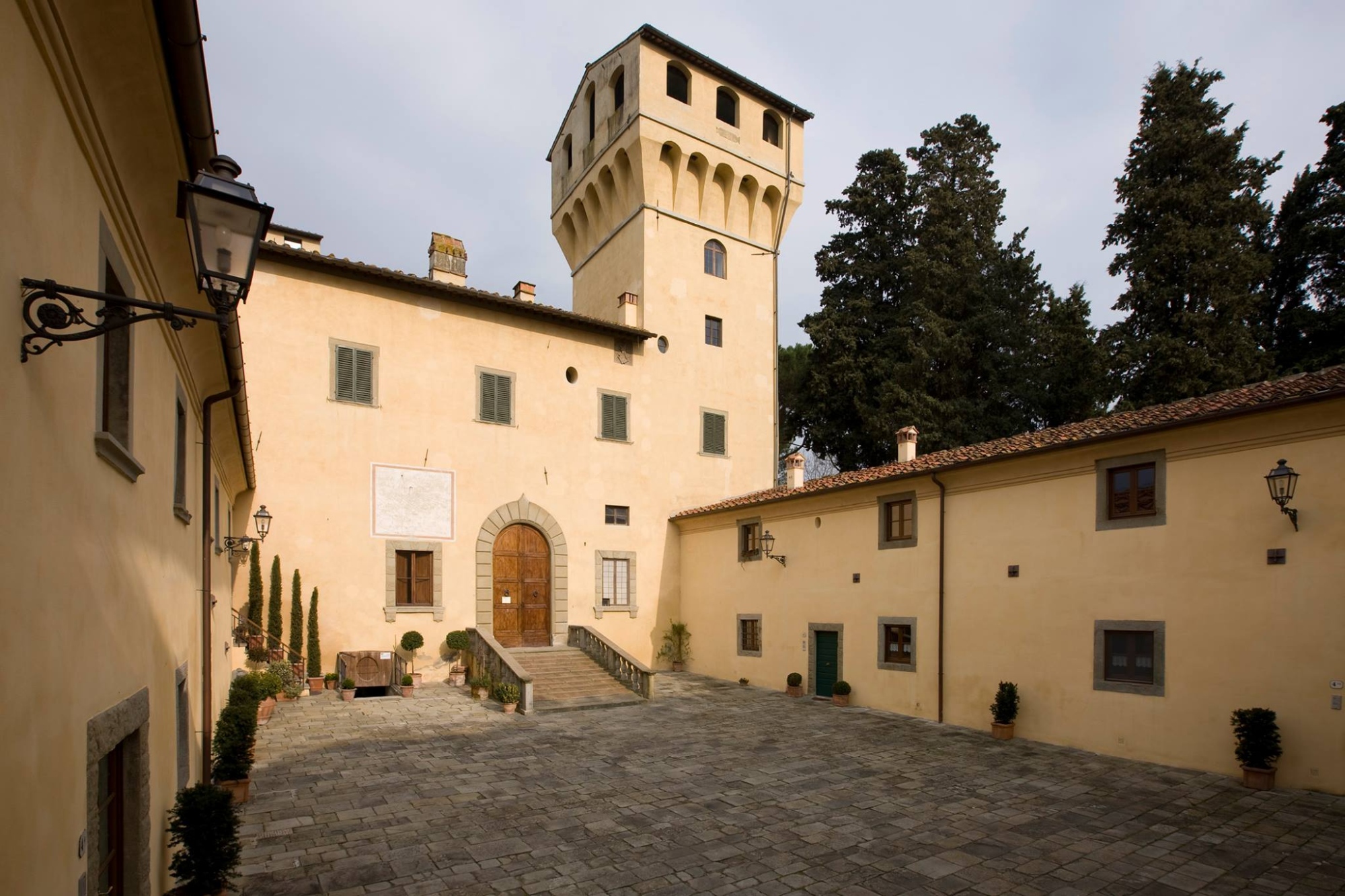
The modern-looking centre of Montale is set against picturesque hills.
Set against the picturesque hills, the modern-looking Montale was home to the scholar Atto Vannucci and the writer Gherardo Nerucci. The Striglianella Nature Trail offers a pleasant walk in the surrounding area, with its olive trees and vineyards. Not to be missed: the castle of Montale Alto dates back to the late Middle Ages, while the 14th-15th -century Villa Smilea, with its two high towers, houses the municipal library on…
Discover -
Quarrata
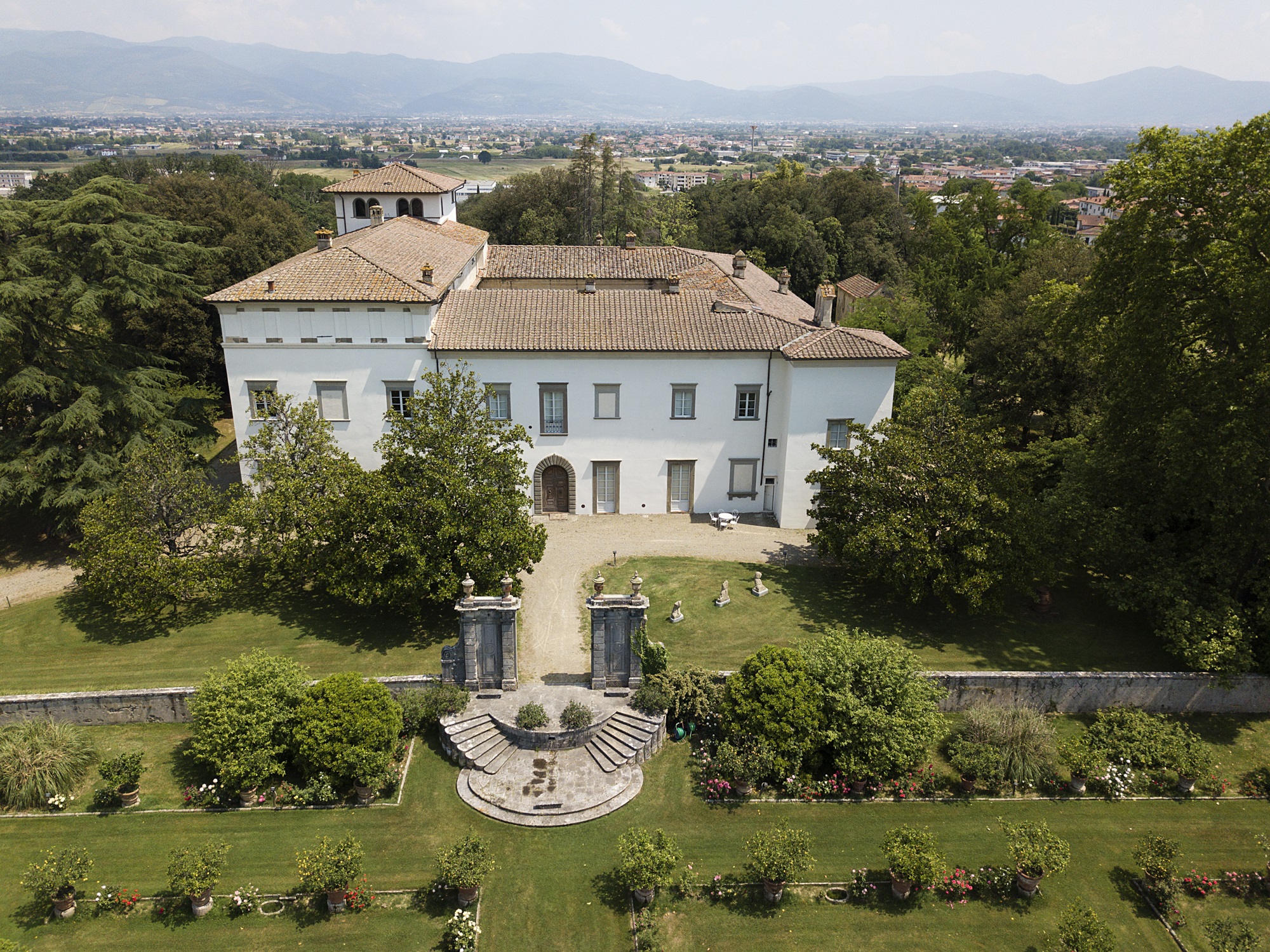
Close to the town of Quarrata, Villa La Magia is one of the twelve Medici residences in Tuscany declared a UNESCO World Heritage Site.
In the second half of the 18th-century, the castles of Buriano, Campiglio, Ferruccia, Lucciano, Montemagno, Vignole, and Valenzatico were united under the community of Tizzana, a castle on the slopes of Montalbano that dominates the entire plain as far as Florence. Between the late 19th and the early 20th century, the town seat was moved to the plain, with the community officially taking the name of Quarrata in 1959. Today…
Discover -
Pistoia
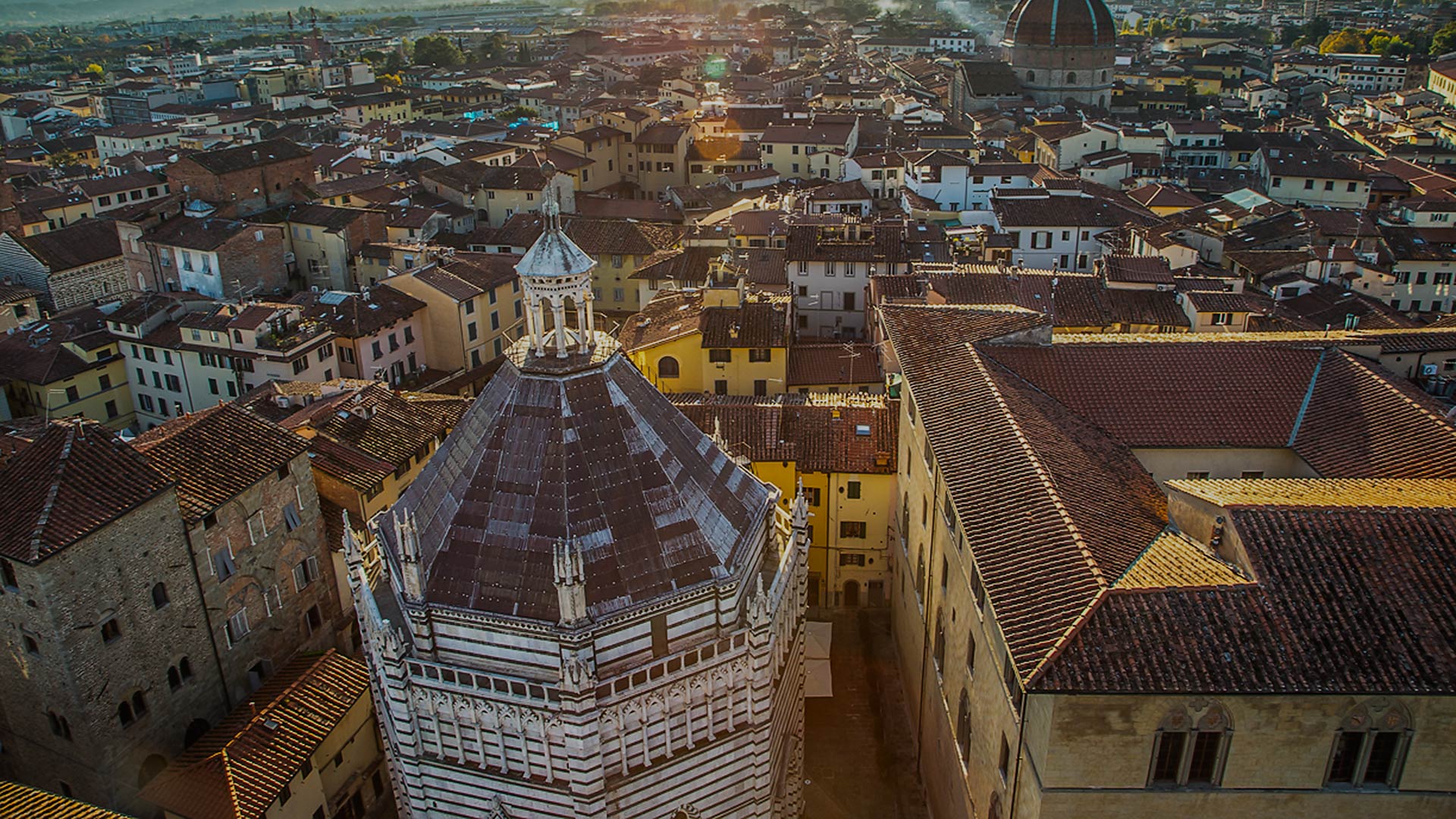
Its peak was between the 12th and 13th centuries. Still set within its walls, Pistoia's art treasures have earned it the title of “city of art”.
Founded by the Romans, its peak was between the 12th and 13th centuries. Still set within its walls, Pistoia's art treasures have earned it the title of “city of art”. The most important buildings are on Piazza del Duomo: the Cathedral, dedicated to the cult of the city’s patron San Jacopo; Palazzo degli Anziani, the town hall; and Palazzo del Podestà, or Pretorio, the past and present seat of the…
Discover